
Spring Migration at the Han River Estuary
Peaceful Coexistence During Spring Migration Along the Han River Estuary Border Area
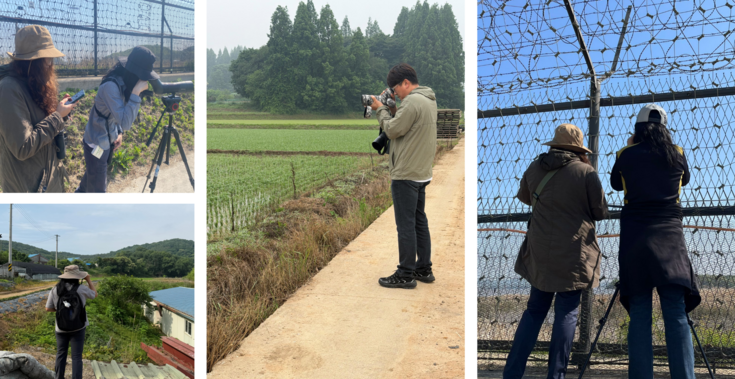
Since 2018, Hanns Seidel Foundation Korea (HSF Korea) has conducted regular surveys of key habitats along the Han River Estuary, including the wetlands of Siam-ri and Jogang-ri, as well as Yu-do Islet. These efforts contribute to promoting a peaceful order on the Korean Peninsula through the conservation of migratory birds and biodiversity in one of the region’s most ecologically significant border areas.
During late spring and early summer, the wetlands, rice fields, and tidal flats surrounding the Han River Estuary serve as important stopover habitats for migratory waterbirds travelling along the East Asian–Australasian Flyway (EAAF). As part of ongoing monitoring activities conducted jointly by HSF Korea and the EAAFP Secretariat, surveys were carried out in the Gimpo and Ganghwa areas during the 2026 spring migration season. Although the total number of birds recorded during this survey period was relatively low compared to peak migration periods, a diverse range of waterbird species continued to utilize the estuary’s habitats for feeding and resting. Notable observations included the Black-faced Spoonbill, Great Cormorant, and Chinese Pond Heron. These findings highlight the continued importance of the Han River Estuary as a refuge for migratory birds even during the latter stages of spring migration. The surveys also offered a reminder of the excitement that accompanies fieldwork. On 23 June 2025, the HSF Korea team recorded a Black-capped Kingfisher in Gageum-ri, a species rarely observed in the area. Hoping for another encounter, we returned to the site early in the morning during this year’s survey. While we believe we briefly observed a Black-capped Kingfisher again, the sighting was unfortunately too fleeting to document photographically.
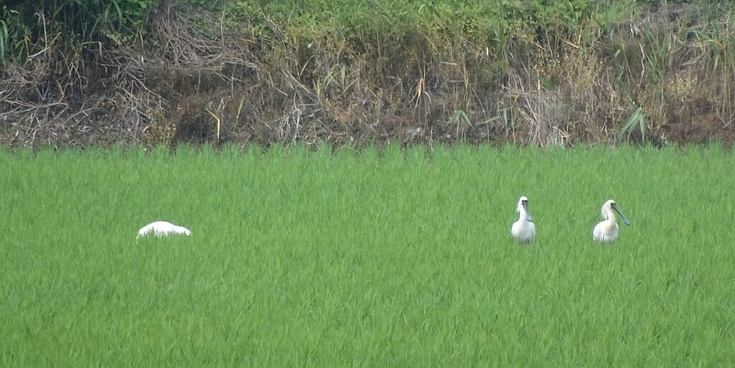
The Han River Estuary remains one of the few places on the Korean Peninsula where biodiversity conservation and peacebuilding intersect. As migratory birds continue to move freely across political boundaries, they remind us of the ecological connectivity shared by all nations along the flyway and the importance of protecting these habitats for future generations.
Related Article: Birds Korea - Spring Migration Highlights from the Han River Estuary www.birdskoreablog.org