
Symposium
Exploring the Future of Biodiversity Conservation and Peacebuilding in Border Regions
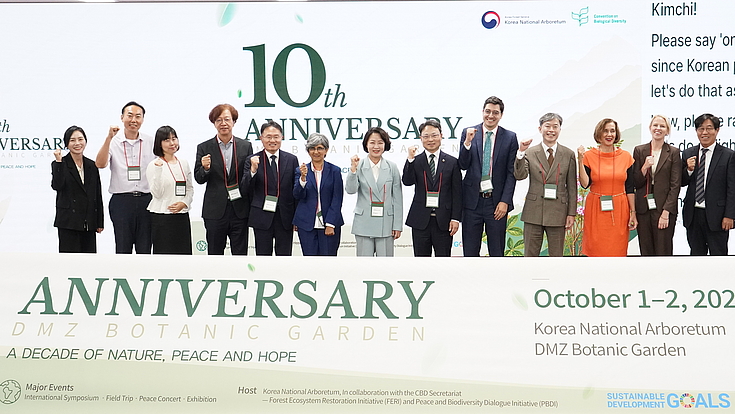
The International Symposium commemorating the 10th anniversary of the DMZ Botanic Garden was held on 1 October 2026. The symposium reflected on the Garden’s achievements over the past decade and explored future approaches to ecological conservation and restoration in the DMZ border region. It also addressed inter-Korean environmental cooperation, as well as the participation of local communities and future generations. It highlighted that environmental cooperation can go beyond protecting nature. It can provide a practical foundation for dialogue, trust-building, and lasting peace in border regions.
Experts from the CBD Secretariat, IUCN, and UNEP shared international experiences in transboundary biodiversity conservation, ecological restoration, and peacebuilding. Presentations covered the PBDI and FERI initiatives, jointly managed protected areas, the DMZ as a connected living landscape, Germany’s Green Belt, and nature education and therapeutic horticulture projects in Ukraine, Armenia, and Georgia. The DMZ Botanic Garden also reviewed its achievements over the past decade, including biodiversity surveys, plant conservation, and ecological restoration projects. Looking ahead, it plans to strengthen long-term monitoring and restoration research while building a scientific foundation for future inter-Korean environmental cooperation.
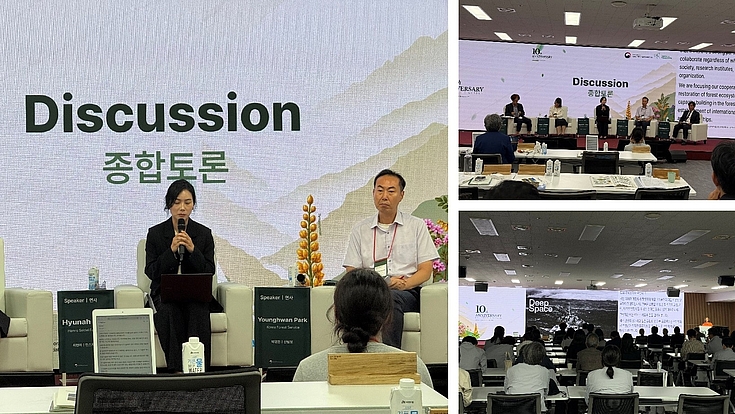
Dr. Hyun-Ah Choi, Senior Researcher at Hanns Seidel Foundation (HSF) Korea, participated in the panel discussion and shared HSF Korea’s experience in ecological conservation and environmental cooperation in the DMZ border region. Based on HSF Korea’s long-standing work in the region, she discussed the practical challenges and future direction of environmental peacebuilding. She emphasized that such cooperation requires long-term research and data collection, meaningful participation by local communities, and sustained trust among domestic and international partners.
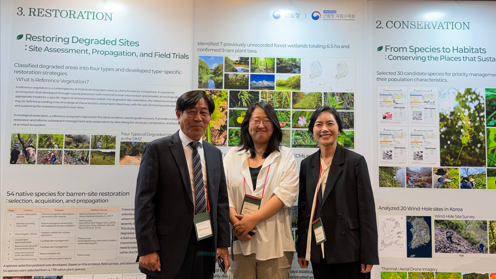
Participants also discussed the importance of maintaining channels for environmental dialogue and cooperation, even amid changing political circumstances. The symposium provided an opportunity not only to reflect on the first decade of the DMZ Botanic Garden, but also to consider how biodiversity conservation and ecological restoration can contribute to cooperation and peace in border regions.
HSF Korea will continue working with its domestic and international partners to promote the DMZ's ecological value and advance sustainable environmental cooperation and peacebuilding.
Credit for group photo: Korea National Arboretum