
Forum
Finding a Breakthrough for Inter-Korean Cooperation in Border Regions
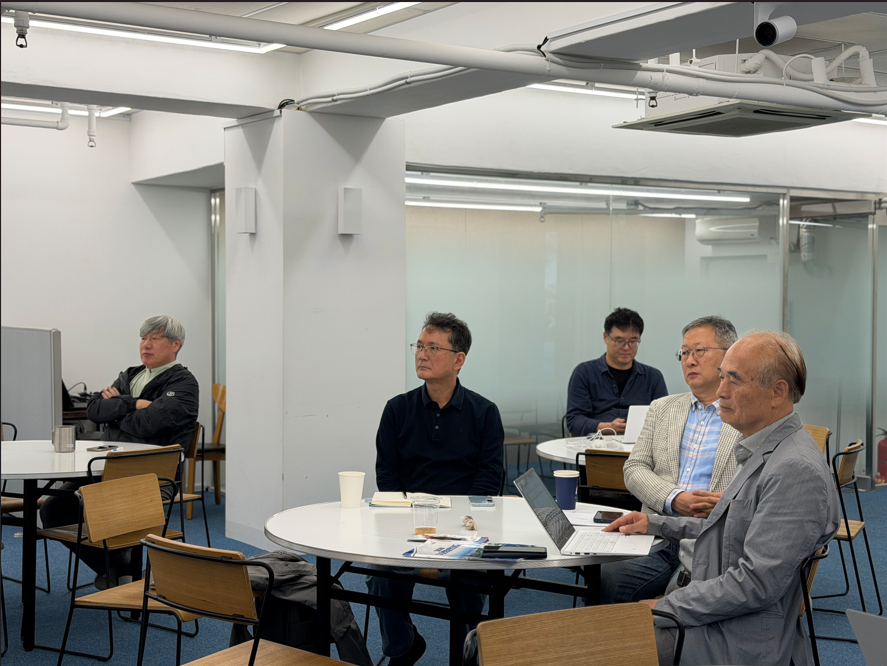
On 16 October 2026, Hanns Seidel Foundation (HSF) Korea and Hananuri co-hosted a forum in Seoul titled “Finding a Breakthrough for Inter-Korean Cooperation in Border Regions.” Held as the 21st Rason Forum, the event brought together experts and practitioners to explore how cooperation might take shape in a region long defined by division. Dr. Kim Young-bong moderated the programme, which featured panel presentations followed by a roundtable discussion.
The presentations approached peace and cooperation from several perspectives: religion and peacebuilding, the peaceful use of the Demilitarized Zone (DMZ), ecological conservation and forest cooperation, and the experiences of people living and working in border areas. Together, they considered how dialogue and practical collaboration could connect broader inter-Korean issues with local communities' histories, needs, and daily lives.
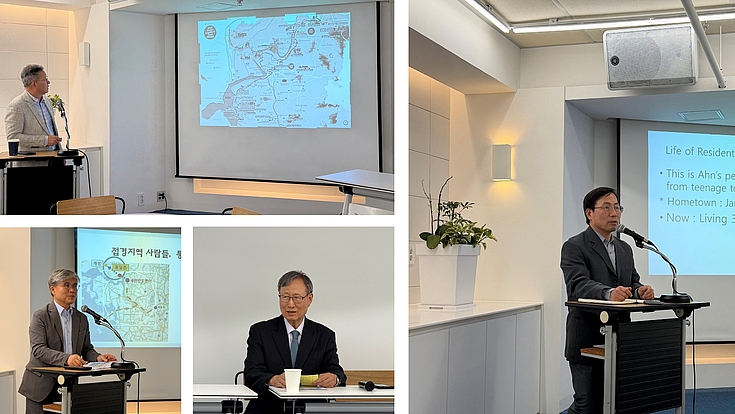
Dr. AHN Jae-young, DMZ Peace Together, offered a personal account of life in a border area, drawing on his history in Jangpa-ri and his experience of living close to North Korea. His perspective brought the region’s history and security environment into focus through the realities of residents who have lived with them over time. Dr. PARK Se-young, Sae Hanbando Center, reflected on Tongilchon's history and the lives of its residents. Established in 1973 amid the realities of division and border-area policy, the village has experienced changing inter-Korean relations through the everyday lives of its people. The presentation emphasized that residents are not simply subjects of policy: their memories, experiences, and community life can help shape new approaches to peacebuilding. Dr. CHO Sung-chan, Hananuri, explored possibilities for the peaceful use of the DMZ and the inter-Korean border region. Drawing lessons from cross-border cooperation in Europe, he considered the DMZ not only as a symbol of division, but also as a shared space for peace, cooperation, and heritage conservation. Dr. CHOI Hyun-Ah, HSF Korea, discussed environmental and climate risks shared across the Korean Peninsula, including natural disasters and forest degradation. Her presentation highlighted the potential for ecological cooperation through biodiversity conservation, migratory bird monitoring, and existing international environmental frameworks.
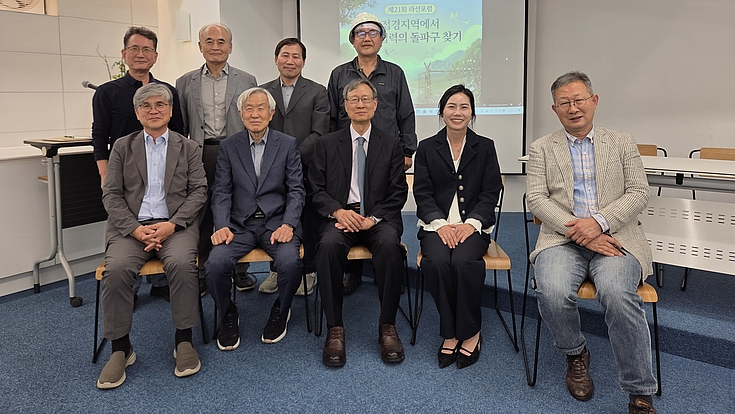
During the roundtable, participants exchanged views on the opportunities and challenges involved in advancing cooperation in the border region. The discussion provided space to consider how ideas raised in the presentations could inform future dialogue and collaboration.
The forum served as a platform for knowledge exchange and reflection on future possibilities for peace and cooperation. It highlighted the importance of connecting institutional dialogue with the experiences of border-area residents and the protection of ecosystems that cross political boundaries.