Beyond Borders in Asia
Borders as Spaces of Connection: Insights from the 8th ABRN Conference in Taiwan
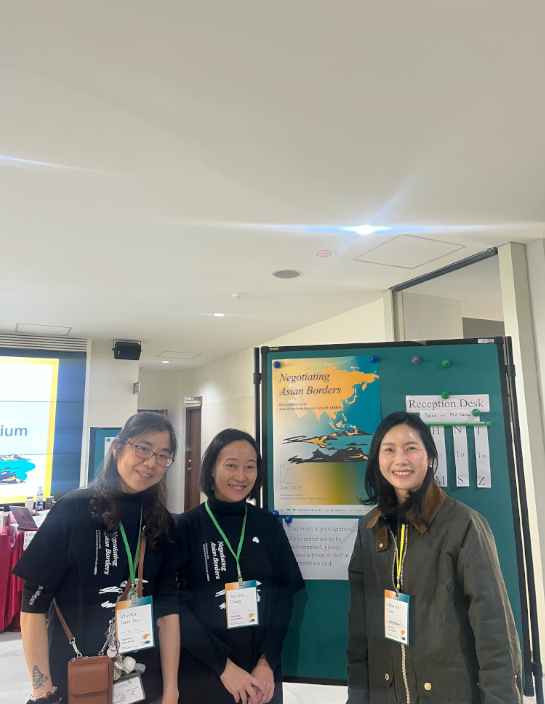
HSF Korea at the 8th Asian Borderlands Research Network Conference
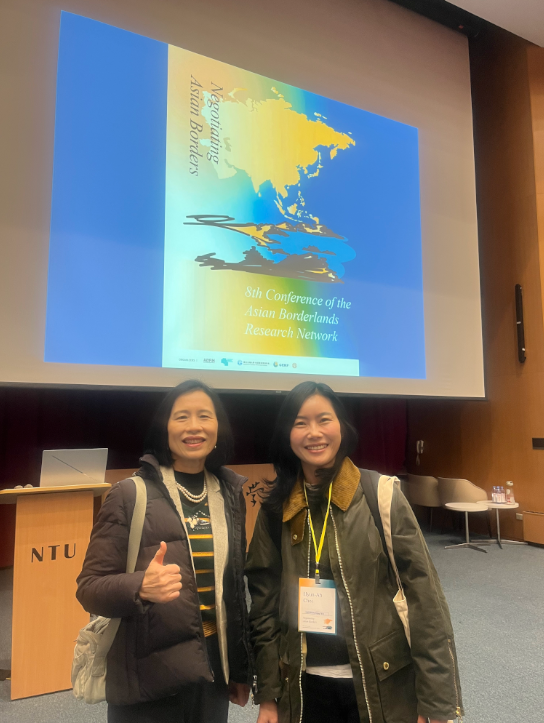
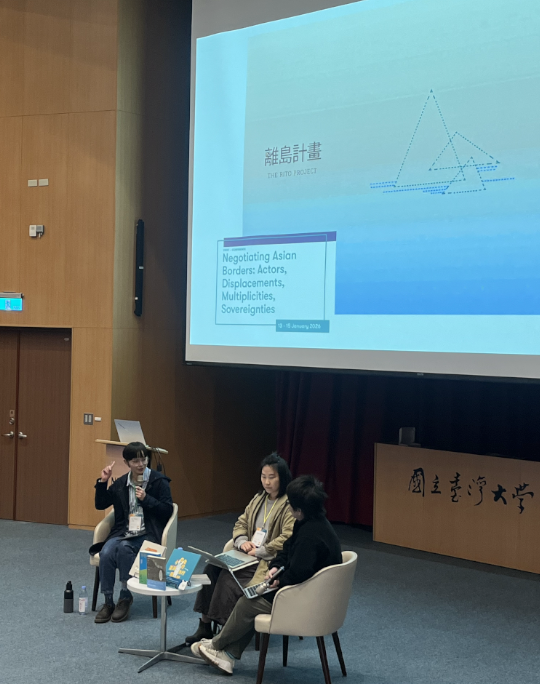
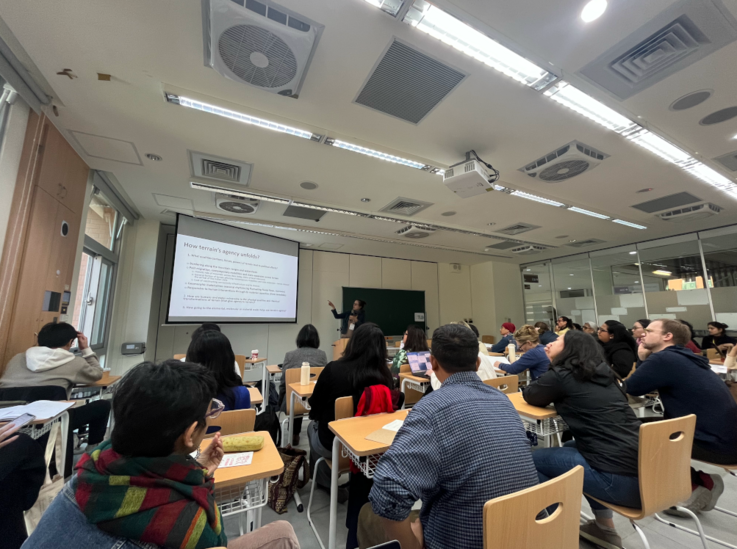
The 8th Asian Borderlands Research Network (ABRN) Conference, titled “Negotiating Asian Borders: Actors, Displacements, Multiplicities, Sovereignties,” was held from 13–15 January 2026 at National Taiwan University in Taipei, Taiwan. The conference brought together approximately 150 participants from 37 countries, underscoring the global significance of border and borderland studies.
This year’s ABRN conference examined contemporary transformations of borders across physical, maritime, and virtual spaces. Discussions explored how sovereignty, belonging, and solidarity are being reshaped by technological change, environmental forces, and human mobility, highlighting the fluid and dynamic nature of borders in the Asian context.
The participants emphasised that borders - traditionally viewed as symbols of separation and power - are increasingly being reimagined as spaces of connection rather than division. In line with the conference theme, the discussions focused on cooperation, linkage, and intellectual exchange over conflict, with border studies and academic dialogue in Taiwan presented as important platforms for advancing this perspective.
Dr. Hyun-Ah Choi, Senior researcher at HSF Korea, participated in the conference under the Northeast Asia Program, in line with its long-standing engagement with borderland issues, including approaches that emphasise working with nature without borders. The conference offered valuable opportunities to strengthen international networks and advance discussions related to SDG 16 (Peace, Justice and Strong Institutions) and SDG 17 (Partnerships for the Goals), reinforcing HSF Korea’s role in promoting transboundary cooperation and regional dialogue beyond national borders.
Notably, lunch boxes and refreshments served during the conference were prepared using ingredients sourced from Taiwan’s offshore islands - Matsu, Penghu, and Kinmen. As historically significant frontline islands between China and Taiwan, they symbolically linked geopolitical border tensions to everyday material practices, reinforcing the conference’s focus on borders as lived and experienced spaces.